29 stories · 29 games
Sagas & Kings
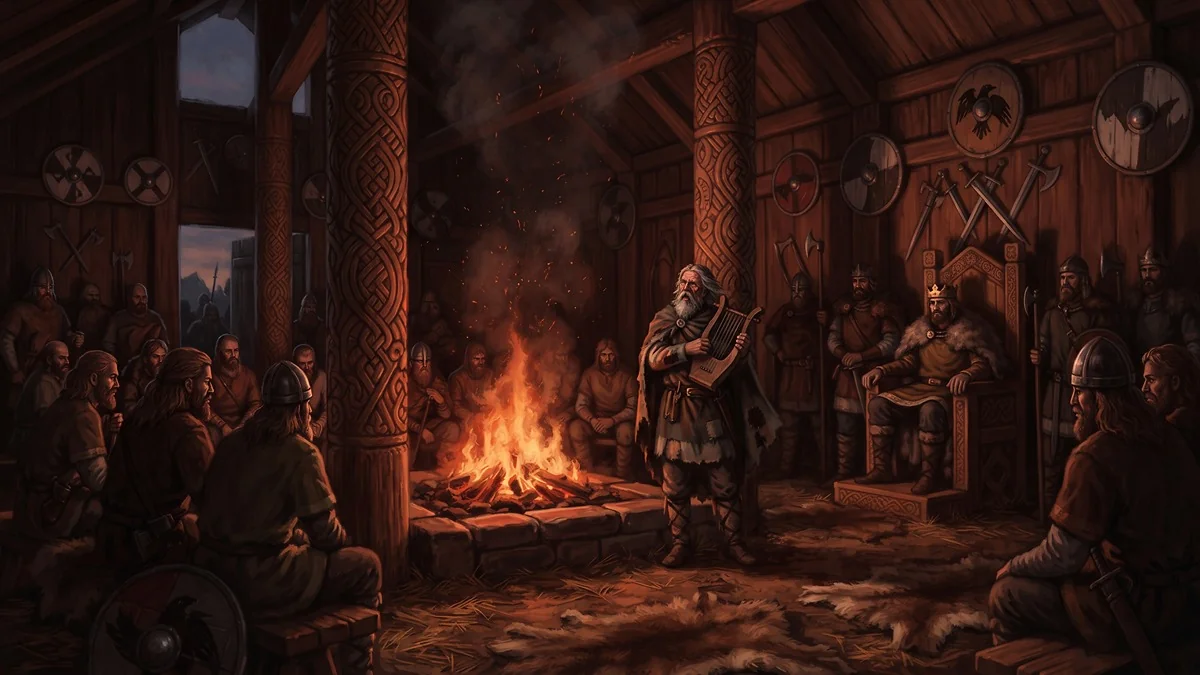
By the fire, memory becomes song.
Kings, poets and avengers, told by Icelanders long after the events. The sagas are literature and they are sources: sometimes confirmed by runestones and chronicles, sometimes pure storyteller's talent. Each text separates what the source says from what history supports.
Start here
 Saga or medieval source · 20 Nov 2026
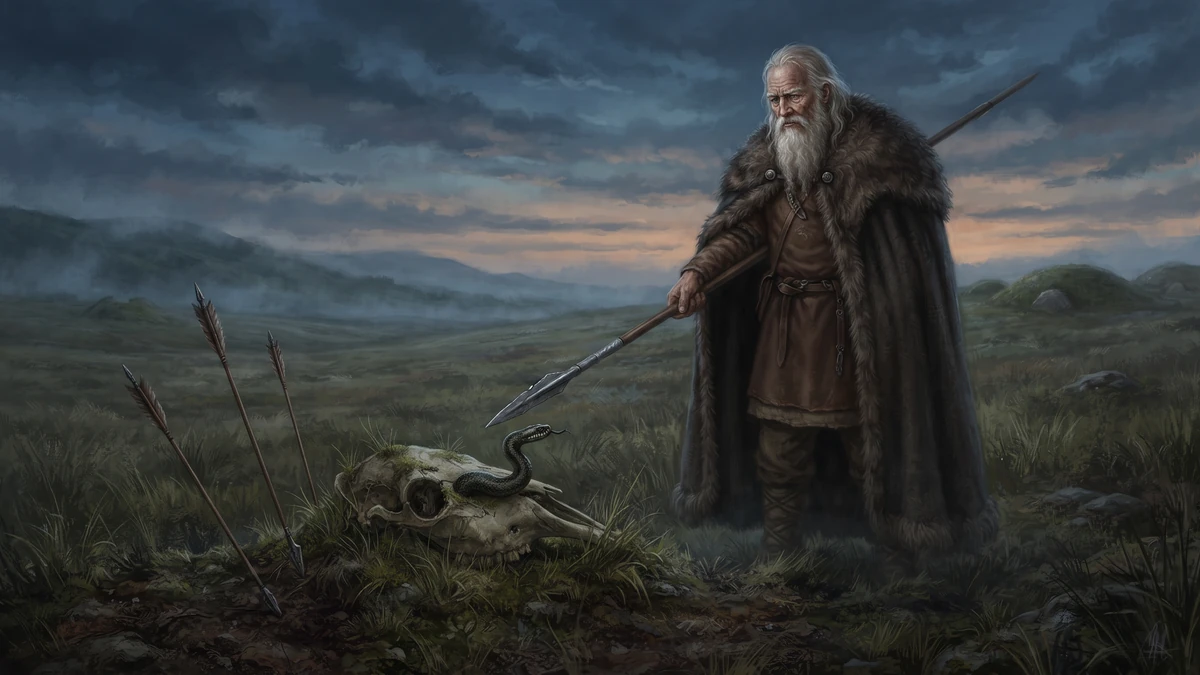
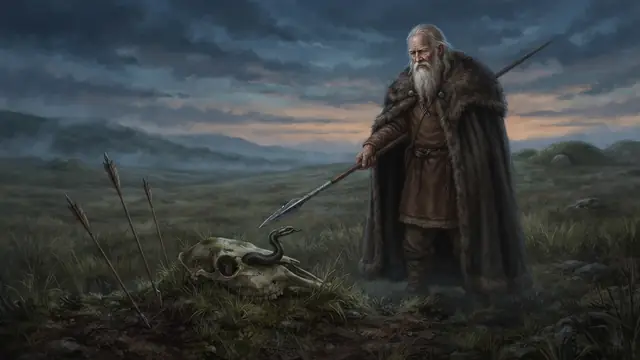
Örvar-Oddr and the horse Faxi: the hero who buried his horse to escape a prophecy
In the Örvar-Odds saga, a seeress says the hero will die because of his horse Faxi. He buries the animal and travels the world for many years, but the prophecy waits for him at home.
Read →
Stories of this realm
 Saga or medieval source
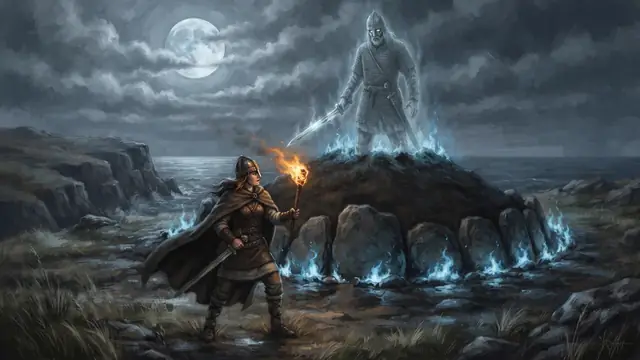
Hervör and the sword Tyrfing: the woman who woke her dead father to take his sword
In the Hervarar saga, Hervör, raised as a warrior, goes to the island of Samsey at night and wakes her dead father to demand the cursed sword Tyrfing. Here is what the text tells.
Read →
 Saga or medieval source
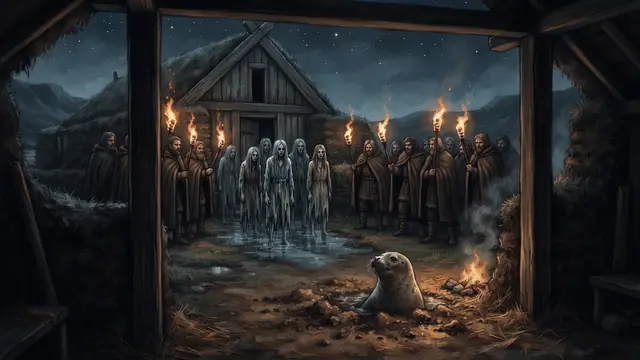
The haunting of Fróðá: the door-court that tried the dead in Eyrbyggja saga
In the Eyrbyggja saga, the dead return to an Icelandic farm and leave only when a door-court summons them one by one. Here is what the saga tells, and what we know about it.
Read →
 Saga or medieval source
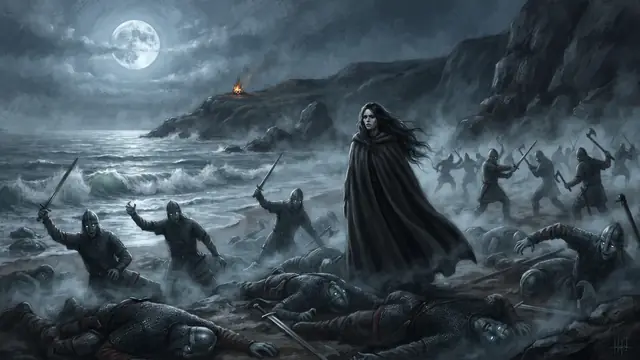
Hjaðningavíg, the eternal battle: Hild, Heðinn and Högni, the fight that restarts every night until the end of the world
According to Snorri, two kings fight without end because Hild raises the dead every night. See how the legend appears in the sources, from a 9th-century poem to Saxo's account.
Read →
 Saga or medieval source
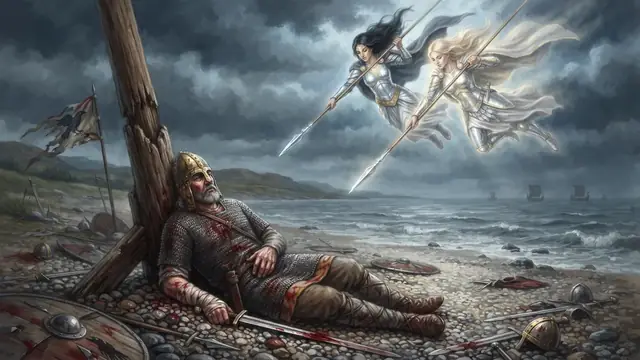
Håkon the Good and the poem that sent him to Valhalla: the battle of Fitjar according to the saga and the skald
King Håkon, raised at the English court, died after the battle of Fitjar. The saga describes a good king, and the skald Eyvindr welcomes him to Valhalla. See what the sources say.
Read →
 Saga or medieval source
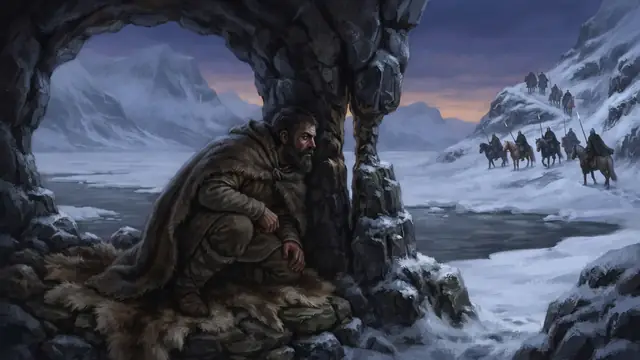
Gísli Súrsson: the saga of the outlaw who ran for years through the fjords of Iceland, between dreams and ambushes
Gísli's saga tells of a revenge that makes him an outlaw, hunted through the western fjords of Iceland. See what the saga narrates, how it is read and where history and literature mix.
Read →
 Saga or medieval source
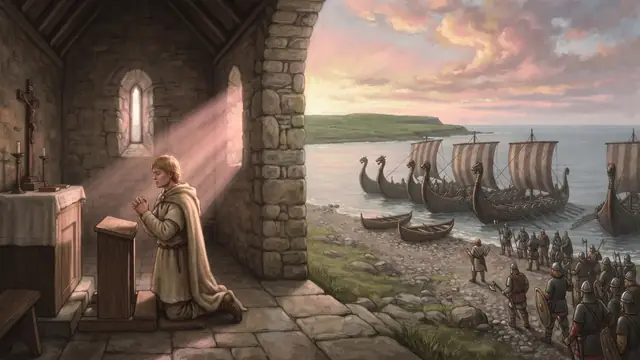
Magnus of Orkney: the earl who refused to fight and was killed on the island of Egilsay
According to the Orkneyinga saga, Magnus Erlendsson was killed on his cousin Hákon's orders at a peace meeting. A find in 1919 may have revealed his bones.
Read →
 Saga or medieval source
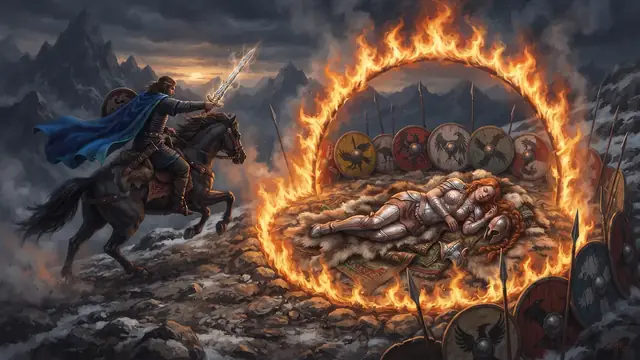
Brynhildr and Sigurd: the valkyrie in the ring of fire and the betrayal that ended on the pyre
After the dragon, the Saga of the Volsungs tells the fate of Sigurd and the valkyrie Brynhildr: an oath, a forgetting, a deception and a double pyre.
Read →
 Saga or medieval source
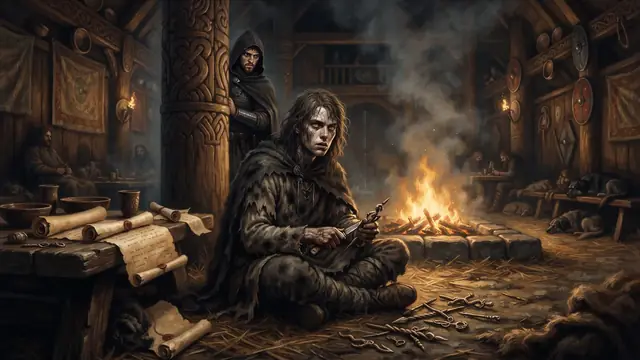
Amleth: the Danish prince who feigned madness and whom Shakespeare turned into Hamlet
Saxo Grammaticus tells, around 1200, the story of Amleth, who feigns madness to avenge a father killed by his uncle. Here is what the source says and what Shakespeare changed.
Read →
 Saga or medieval source
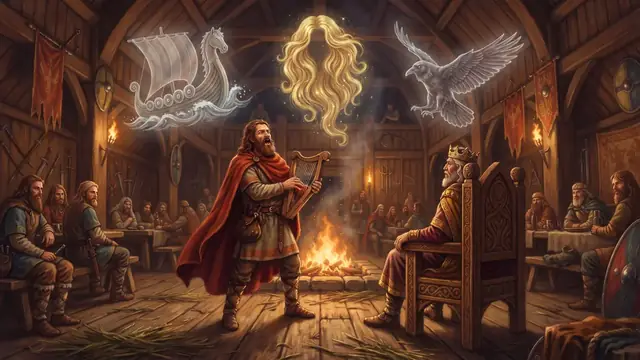
Kennings: how the skalds spoke of gold, ships and battles without saying the word
Skaldic poetry said "Sif's hair" for gold and "sea-horse" for ship. Snorri Sturluson explained the trick in a handbook written around 1220.
Read →
 Saga or medieval source
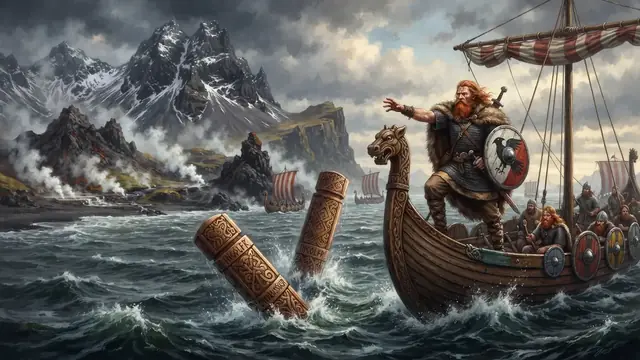
Ingólfr Arnarson and the high-seat pillars: how tradition tells the founding of Reykjavík
According to the Book of Settlements, Ingólfr threw his high-seat pillars overboard and settled where the waves left them. Here is what archaeology adds to the tale.
Read →
 Saga or medieval source
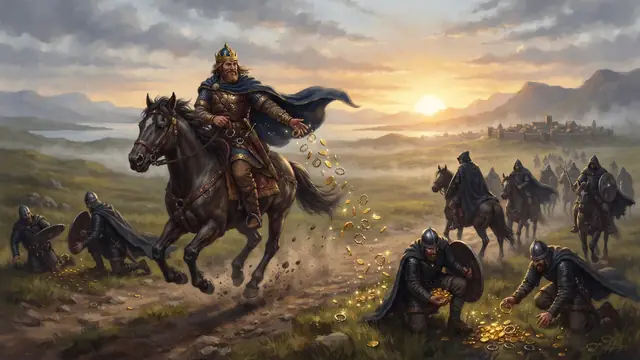
Hrólf Kraki and the gold scattered on Fyrisvellir: the escape that became poetry
Chased by the Swedish king Aðils, the Danish king Hrólf Kraki, according to Snorri, scattered gold along the road to buy time. The scene even became a poetic phrase.
Read →
 Saga or medieval source
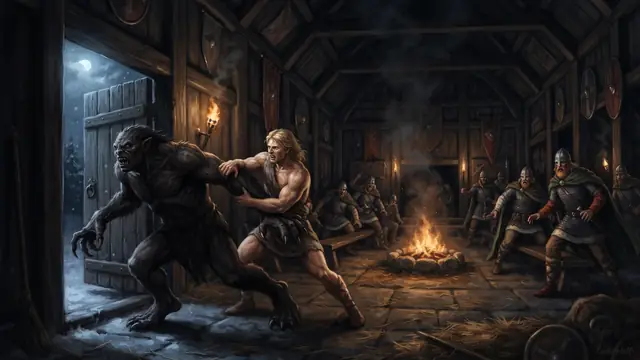
Beowulf and the hall of Heorot: the English poem set in Scandinavia and the monster Grendel
The poem Beowulf was written in Old English, but tells a story of Denmark and southern Sweden. Its hero fights unarmed against the monster that attacks the king's hall.
Read →
 Saga or medieval source
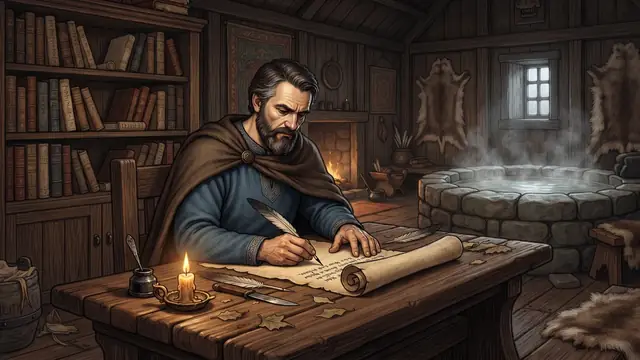
Snorri Sturluson: the Icelander who saved the Norse myths and died for politics
Chieftain, poet and lawmaker, Snorri wrote the Prose Edda and the sagas of the kings of Norway in the 13th century. In 1241 he was killed at his home in Reykholt.
Read →
 Saga or medieval source
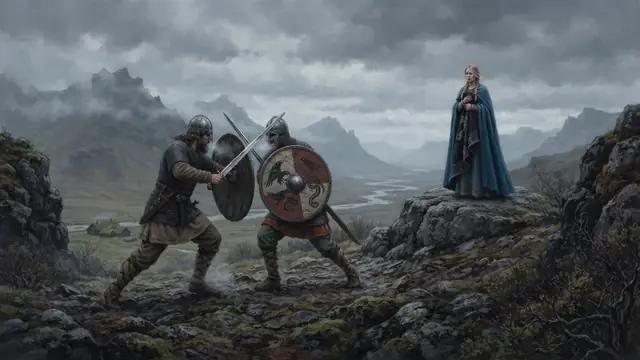
Gunnlaug Serpent-Tongue and Helga the Fair: a love triangle that ended in a duel
In the Icelandic saga, the poet Gunnlaug and his rival Hrafn compete for Helga's love. A broken agreement, a forced marriage and a duel in Norway seal the fate of all three.
Read →
 Saga or medieval source
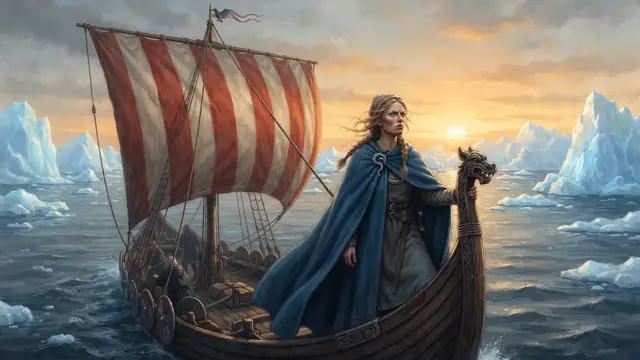
Gudríð: the Icelandic woman who crossed the Atlantic, had a son in America and went to Rome
The sagas tell the life of Gudríð Þorbjarnardóttir, who travelled from Iceland to Greenland and Vinland, and later made a pilgrimage. She is one of the most widely travelled women of the Viking Age.
Read →
 Saga or medieval source
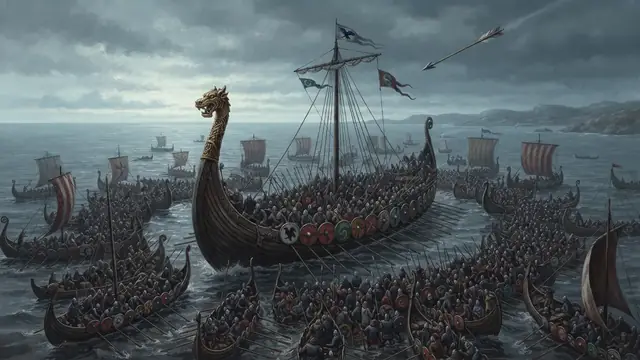
Svolder, the year 1000: the last battle of King Olaf Tryggvason and the ship Long Serpent
Eleven Norwegian ships faced three enemies in the year 1000. The battle of Svolder ended with a missing king, the biggest ship in enemy hands and a divided Norway.
Read →
 Saga or medieval source
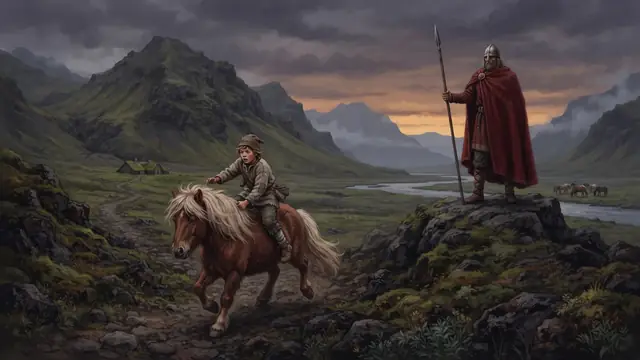
Hrafnkell and Freyfaxi: the horse no one could ride and the chieftain who lost his gods
In the Icelandic saga of Hrafnkell, a chieftain dedicates a horse to the god Freyr and swears to kill anyone who rides it. When he kills a shepherd, the oath sets off his fall and a doubt about the gods themselves.
Read →
 Saga or medieval source
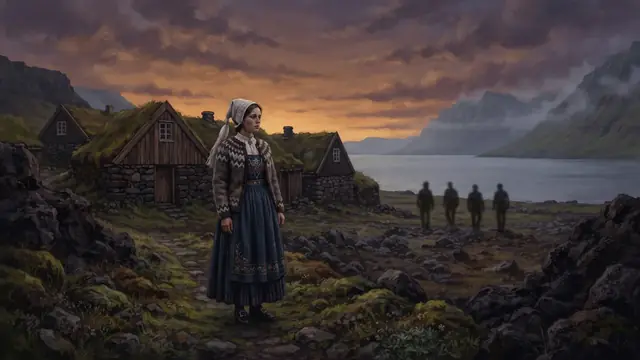
Gudrún and her four husbands: the most intriguing woman of the Laxdæla saga
In the Laxdæla saga, Gudrún Ósvífrsdóttir marries four times, loves the wrong man and leaves a line about love that scholars have debated for centuries.
Read →
 Saga or medieval source
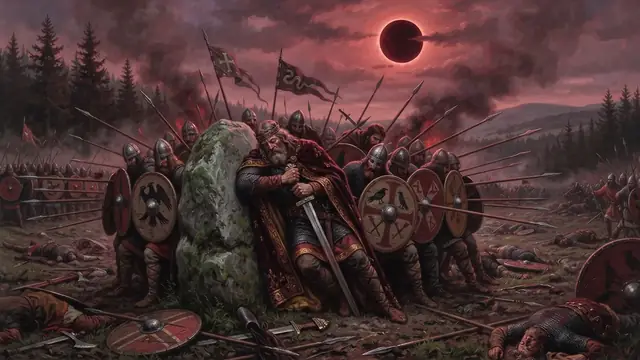
Stiklestad, 1030: the battle in which King Olaf died and Norway's saint was born
Olaf Haraldsson fell before Norwegian chieftains who backed King Cnut. Snorri says the sun darkened, but the date of the battle and that of the eclipse do not match.
Read →
 Saga or medieval source
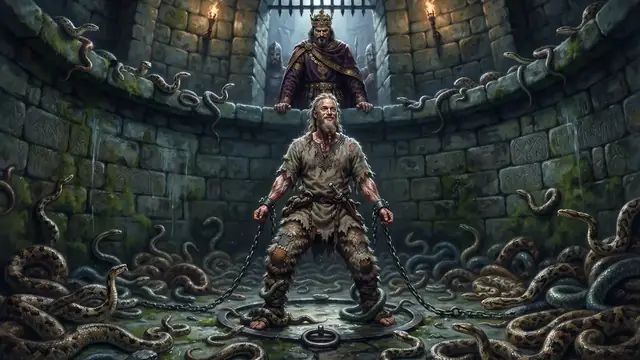
Ragnar Lodbrok and the snake pit: the hero of the sagas and what the chronicles kept of him
According to the sagas, Ragnar died in King Ælla's pit of serpents, singing. The chronicles record only a chief with a similar name and the Great Heathen Army of 865.
Read →
 Saga or medieval source
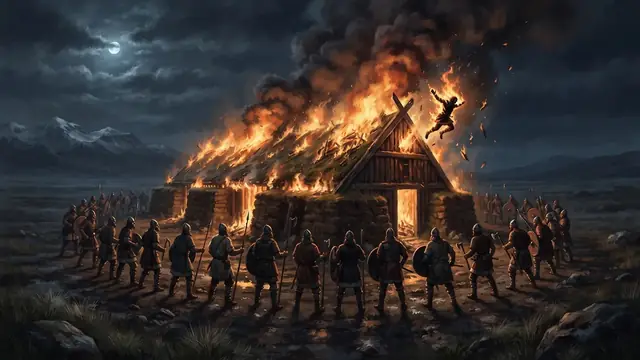
The burning of Njál: the Icelandic saga's revenge in which a whole house was set on fire
In Njáls saga, the chieftain Flosi surrounds the farm of Bergþórshvoll and sets it alight. Njál and his wife refuse to leave, and only one man, Kári, escapes the flames.
Read →
 Saga or medieval source
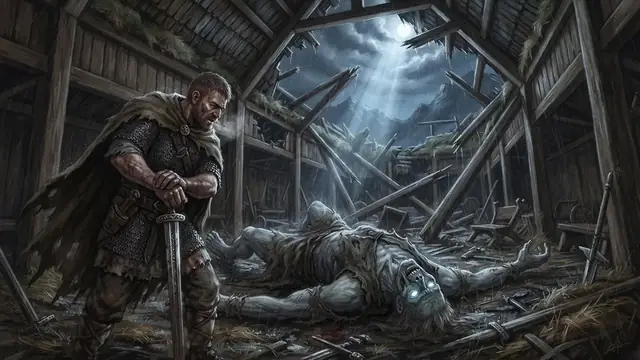
Grettir and the undead Glámr: the saga in which the moon reveals a ghost's eyes
In Grettis saga, the outlaw Grettir faces a shepherd who has returned from death. The wrestling match ends in a curse, and the moon plays a decisive part.
Read →
 Saga or medieval source
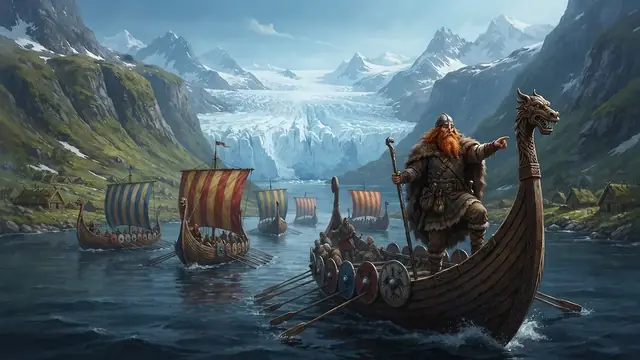
Eirik the Red: the outlaw who gave Greenland the name of a good land
Banished from Norway and then from Iceland, Eirik explored an unknown coast and called it Greenland to attract settlers. The sagas say 25 ships set out and 14 arrived.
Read →
 Saga or medieval source
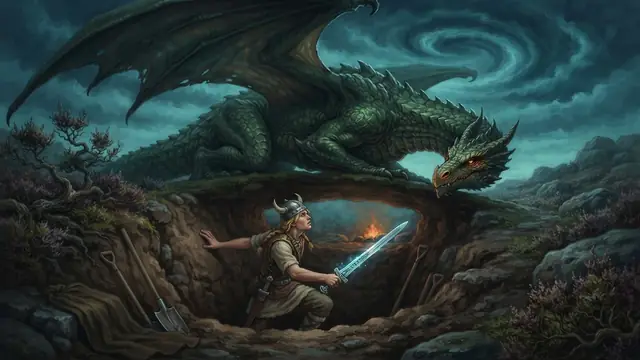
Sigurd and the dragon Fafnir: how a hero killed the beast from a pit
In the Völsunga Saga, Sigurd digs a pit on the dragon Fafnir's path and wounds him from below. The scene was carved on Norwegian church doors.
Read →
 Saga or medieval source
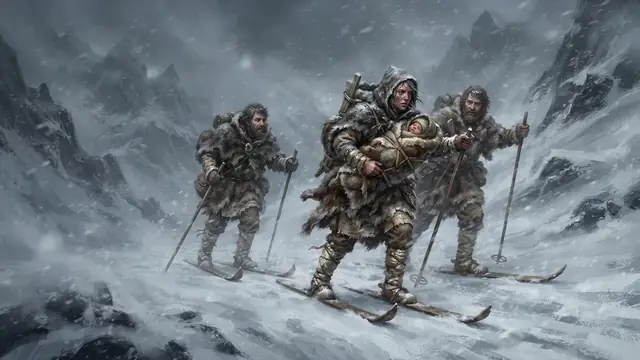
The Birkebeiner and the ski crossing that saved the future King Haakon of Norway
In the winter of 1206, two skiers carried little Prince Haakon over snowy mountains to Trondheim. The escape became a symbol of Norwegian skiing.
Read →
 Documented history
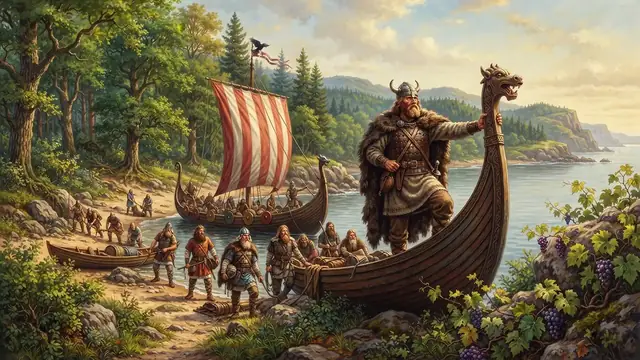
Leif Eriksson and Vinland: what the sagas tell and what archaeology shows
Two Icelandic sagas tell how the Vikings reached Vinland. In Newfoundland, Canada, an archaeological site confirms a Norse presence around the year 1000.
Read →
 Saga or medieval source
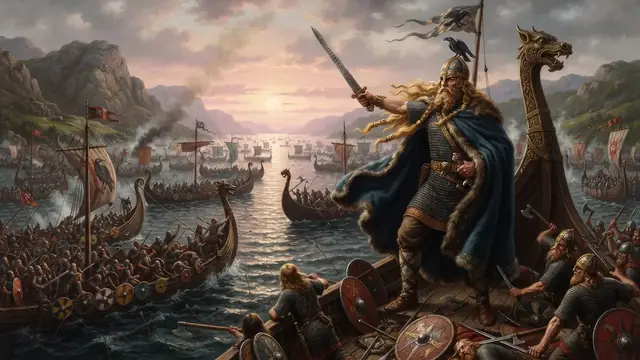
Harald Fairhair: the king who swore not to cut his hair until he united Norway
According to the sagas, Harald swore to let his hair grow until he ruled all of Norway, which he achieved at Hafrsfjord. Historians view the story with caution.
Read →
 Saga or medieval source
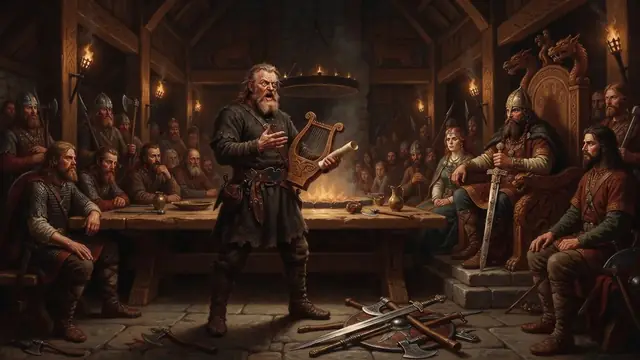
Egil Skallagrímsson and the poem that, according to the saga, saved his head
Egil's saga tells how the warrior-poet escaped death in York by composing, in a single night, a poem in praise of King Eric Bloodaxe.
Read →
Play this realm
Games tied to the stories here. Fullscreen, no sign-up.
New
The Birkebeiner crossing
Ski down the mountain with little Prince Haakon, dodging trees and rocks, until you reach safety.
Play ▶
Leif's voyage
Steer Leif Eriksson's ship through ice and rocks, from Helluland to Markland and on to Vinland, as the sagas tell it.
Play ▶
Egil’s night
Tap the words that start with the verse’s letter and compose six verses before dawn, as Egil did to save his head.
Play ▶
Rögnvald’s comb
Untangle Harald’s hair by dragging over the knots, as in the scene where Rögnvald combs it after Hafrsfjord.
Play ▶
New
The dragon's pit
Dig the pit on the dragon Fafnir's path and strike the moment the pale spot on his belly passes over Sigurd.
Play ▶
New
The snake pit
Memorise the order in which the snakes rise in King Ælla's pit.
Play ▶
New
Twenty-five ships
Steer Eirik the Red's fleet between ice and rocks toward Greenland.
Play ▶
New
Kári's escape
Jump the flames of Njál's house and reach the roof, as Kári does in the saga.
Play ▶
New
Glámr's eyes
Strike the undead Glámr only when the clouds cover the moon and his gaze loses its force.
Play ▶
New
Hold the line at Stiklestad
Hold King Olaf's line against the enemy's surges until the sun darkens.
Play ▶
New
Gudrún's dreams
Memorise the order of Gudrún's four husbands and tap the names in the right sequence.
Play ▶
New
Freyr's horse
Tap only the one riding Freyr's sacred horse and let the other shepherds pass.
Play ▶
New
The battle of Svolder
Draw the bow to the exact point and hit the enemy ships without breaking the bow.
Play ▶
New
Snorri's pairs
Find the six pairs of runes, as a skald trains the memory.
Play ▶
New
Gunnlaug's duel
Block Hrafn's high and low blows in the duel from Gunnlaug's Saga.
Play ▶
New
Gudríð's route
Steer Gudríð's ship through the ice floes of the North Atlantic.
Play ▶
New
Ingólfr's pillars
Throw the high-seat pillars into the sea and hit the bay, allowing for the wind.
Play ▶
New
Hrólf's gold
Scatter gold across Fyrisvellir to slow the pursuers of King Aðils.
Play ▶
New
Kenning riddles
Decipher the skalds' roundabout phrases, such as "whale-road".
Play ▶
New
Grendel's arm
Pull Grendel's arm with no weapons, like Beowulf in the hall of Heorot.
Play ▶
New
The swapped letter
Follow the letter with the seal while the three change places.
Play ▶
New
The ring of fire
Put out the flames of the wall of fire around Brynhildr.
Play ▶
New
Magnus's ships
Count the ships that appear and vanish at sea, without being fooled by the rocks.
Play ▶
New
The shields of Fitjar
Remove groups of shields of the same colour and clear the beach after the battle.
Play ▶
New
Gísli's hideout
Push the stones onto the marks on the floor and close the hideout.
Play ▶
New
The battle without end
Parry each blow back before it gets past you.
Play ▶
New
Hervör's flames
Memorise and repeat the order of the flames and runes.
Play ▶
New
The accused at the door
Find, in eight tries, the secret order of the accused at the door.
Play ▶
 New
Odd's years
Merge equal numbers until you reach Odd's years.
Play ▶
Other realms
Myths & Gods
31 stories · Enter →
Viking Age
35 stories · Enter →
Tales & Folklore
26 stories · Enter →
Get the next stories
New myths, sagas and tales arrive every week, always with the source and the difference between history and legend.
I want to subscribe