35 stories · 35 games
Viking Age
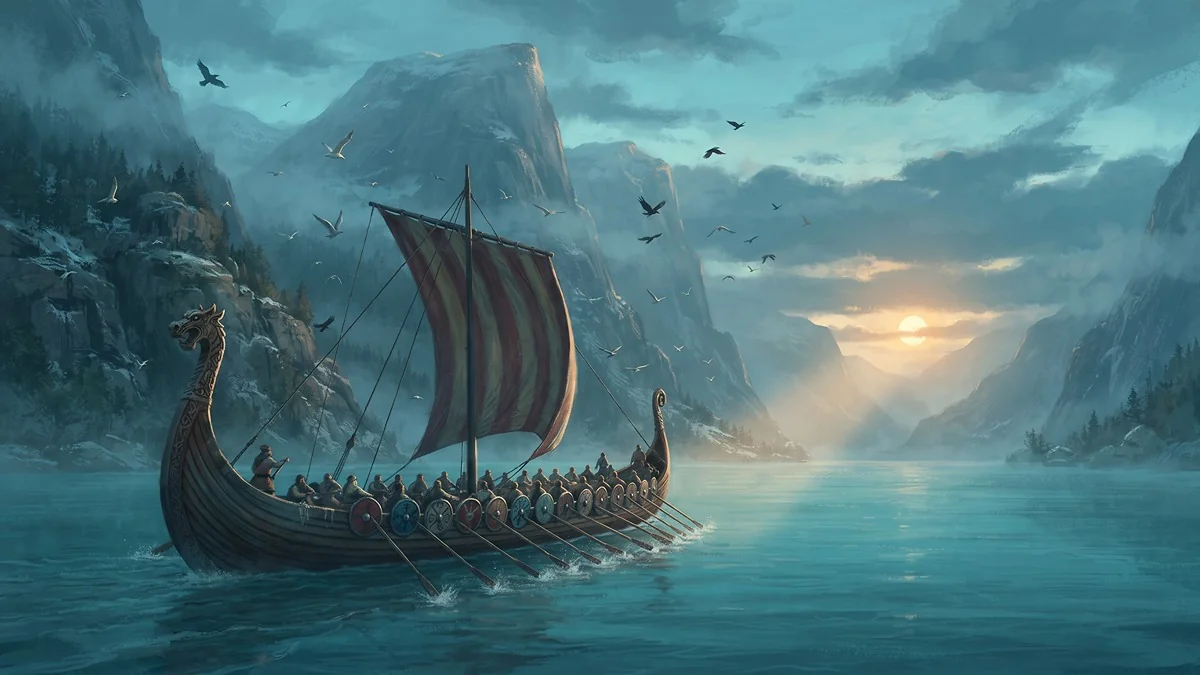
The sea was the road.
From the late eighth to the eleventh century, narrow ships carried traders, settlers and warriors from the North Sea to Constantinople and North America. Here archaeology speaks first: ships, swords, coins, runes and what we still do not know.
Start here
 Documented history · 20 Nov 2026
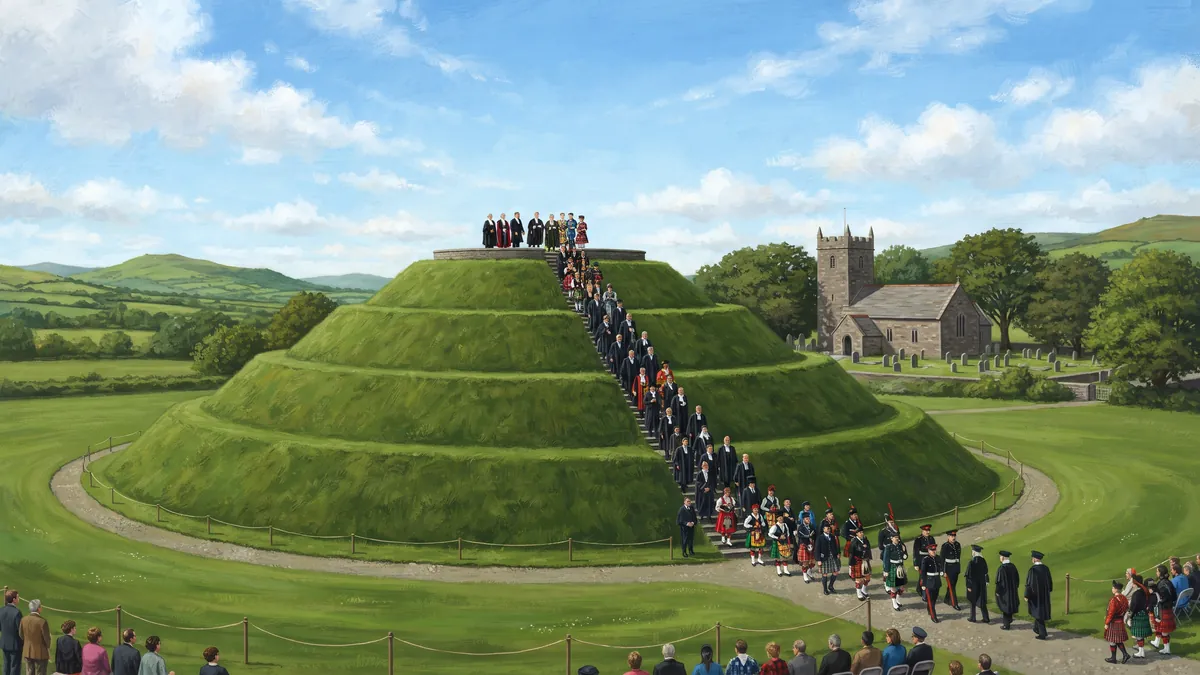
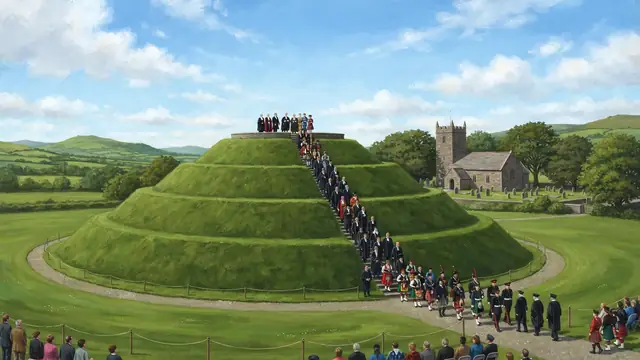
Tynwald: the Isle of Man assembly whose name comes from Norse and which still meets on a hill
The name Tynwald comes from the Norse *þingvöllr*, "assembly field". Every year, on 5 July, new laws are read from a four-tiered hill on the Isle of Man.
Read →
Stories of this realm
 Documented history
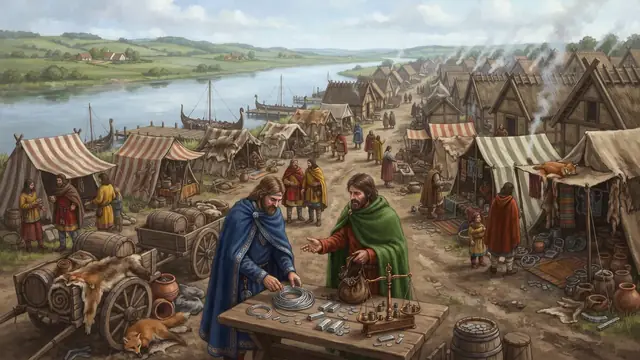
Ribe: the Danish market town that existed before the age of Viking raids
Excavations at Ribe show a seasonal market from about 704, with glass beads, imported pottery and coins. In the 9th century the monk Ansgar received permission there to build a church.
Read →
 Saga or medieval source
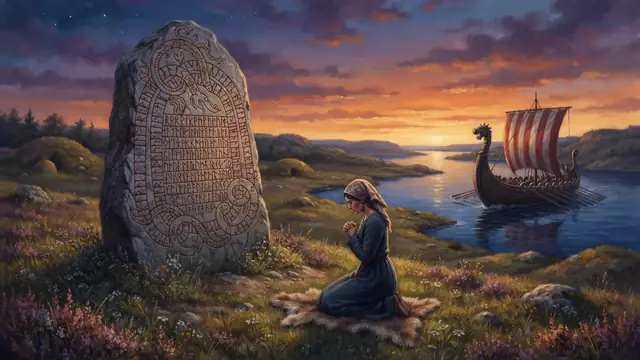
Ingvar's stones: the Swedish expedition to Serkland that was carved in stone
About two dozen Swedish runestones remember the men who set out with Ingvar around 1036 and died far away. One says they went in search of gold. Here is what the stones and the saga tell.
Read →
 Documented history
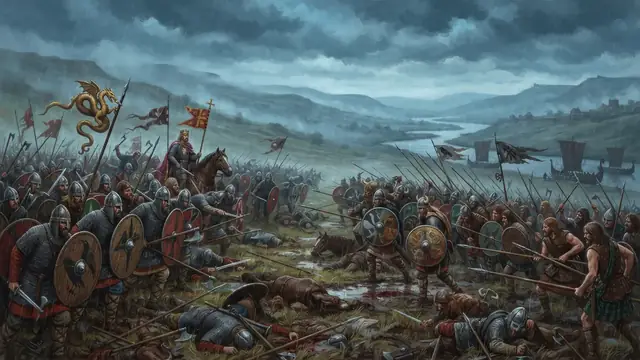
Brunanburh, 937: the battle where an English king faced Vikings, Scots and Britons
In 937, King Æthelstan defeated an alliance of the Viking king of Dublin, the king of the Scots and the king of Strathclyde. We know the battle's name, but not its exact place.
Read →
 Saga or medieval source
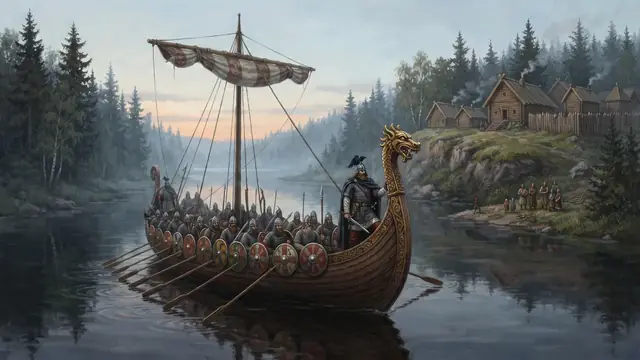
Rurik and Oleg: how the Primary Chronicle tells of the call to the Varangians that gave rise to Kyivan Rus', and what archaeology adds
According to the Primary Chronicle, tribes in eastern Europe called Varangian princes to rule them. See what it says of Rurik and Oleg and what archaeology shows and leaves open.
Read →
 Documented history
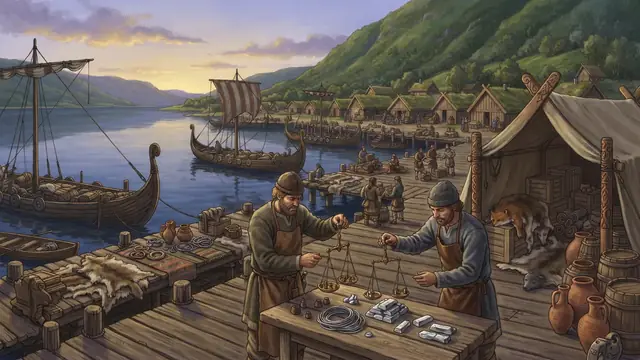
Kaupang: the Viking market of Skiringssal, in Norway, and what scales, silver and graves reveal
Near Larvik, in Norway, excavations found Kaupang, one of the first Norse market towns, founded around 800. See what archaeology shows and how the name appears in Ohthere.
Read →
 Documented history
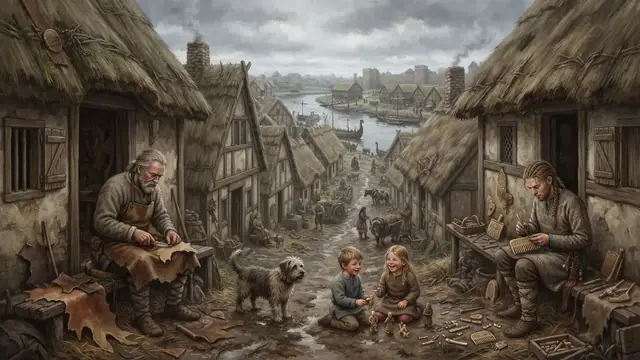
Jórvík: Viking York and the Coppergate excavation that found houses, crafts and even what the residents ate
In 866 the Great Heathen Army took York, which the Vikings called Jórvík. Excavations at Coppergate in the 1970s revealed well-preserved houses and workshops. See what archaeology showed.
Read →
 Documented history
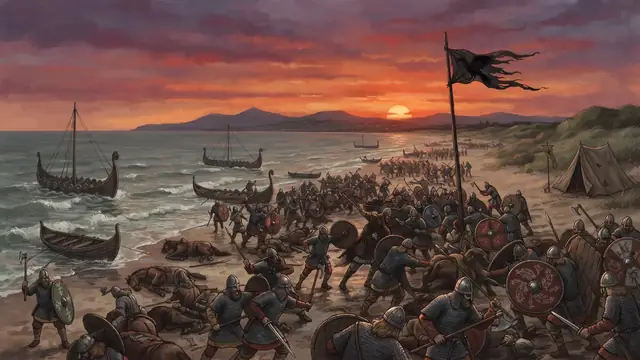
Clontarf, 1014: the Good Friday battle in which Brian Boru died, and why it was not just Irish against Vikings
In 1014, near Dublin, the High King Brian Boru died after winning the battle of Clontarf. See what the Irish and Norse sources say and why the picture of Irish against Vikings is too simple.
Read →
 Documented history
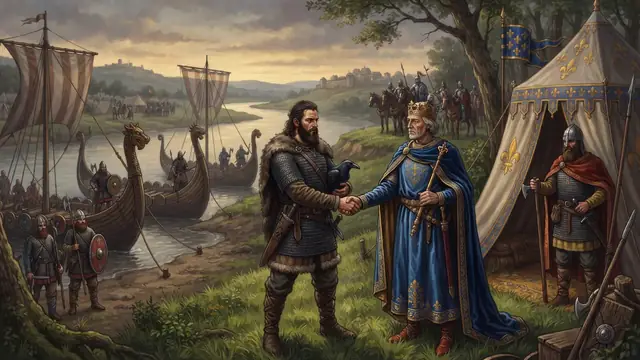
Rollo and Normandy: how a Viking chief received lands from the Frankish king in 911
Around 911, the Frankish king Charles the Simple gave Rollo and his men the region of Rouen. Here is what the chronicles say and what legend added.
Read →
 Documented history
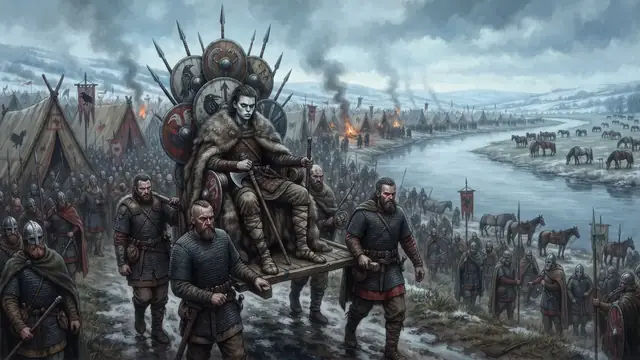
Ivar the Boneless and the Great Heathen Army: what is known about the invasion that changed England
From 865, a Norse army moved across England for more than ten years. The chronicles describe the campaign, and the sagas link Ivar to it. What is certain, and what is not?
Read →
 Documented history
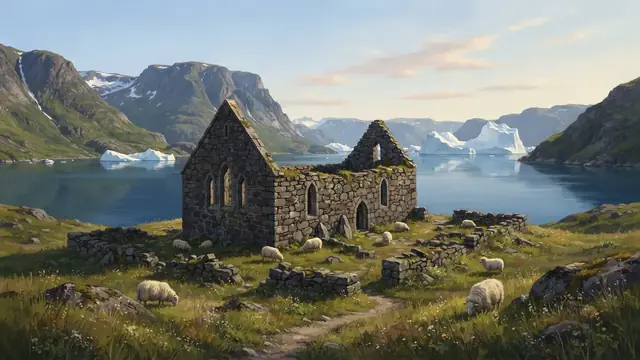
Norse Greenland: four centuries of farms on the ice and the mystery of their end
The Norse lived in Greenland for more than four hundred years. The last known document is from 1408. Scholars still debate why the farms were left empty.
Read →
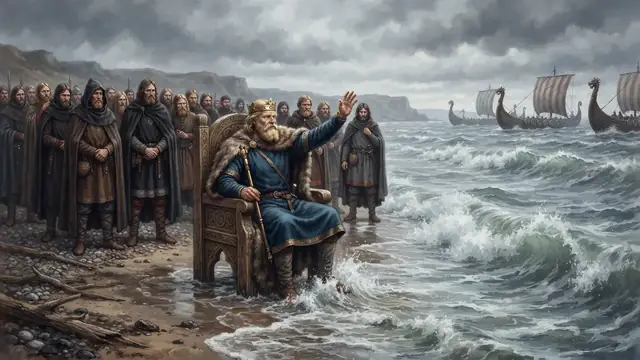 Documented history
Cnut the Great and the North Sea Empire: the king who ruled England, Denmark and Norway
Between 1016 and 1035, Cnut gathered the crowns of England, Denmark and Norway. Here is how it happened and what lies behind the story of the waves.
Read →
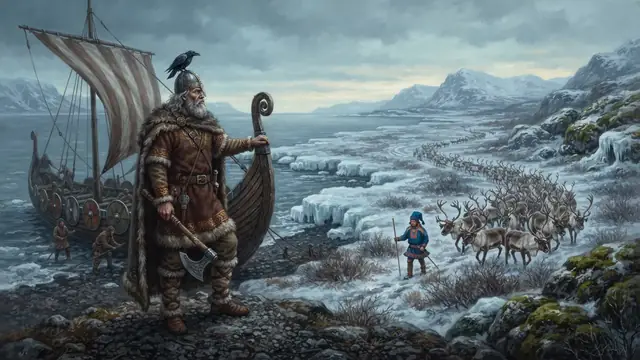 Documented history
Ohthere and the reindeer: an Arctic Norwegian's account to King Alfred
In the 9th century a chieftain from northern Norway told King Alfred of England how he lived among reindeer and collected tribute from the Sámi. The account was copied into a translation from Latin.
Read →
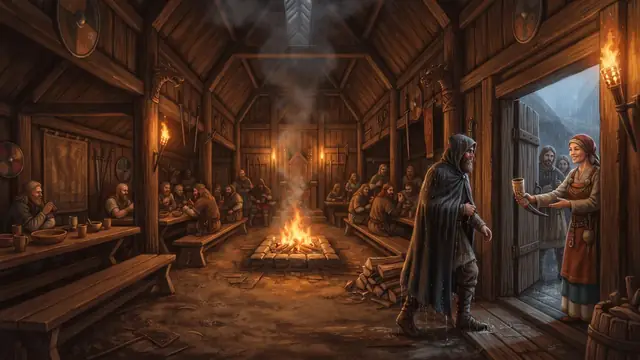 Saga or medieval source
Hávamál and Viking hospitality: what the poem asked of those who arrived and those who received
The Hávamál, a poem attributed to Odin, opens with advice for guests and hosts: fire, water, food and good conduct. It shows how a Norse hall received those from outside.
Read →
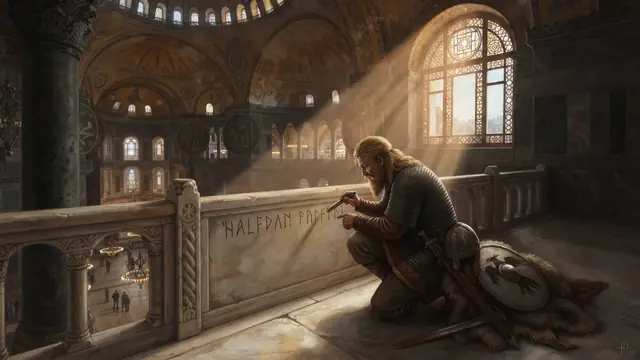 Documented history
Halfdan at Hagia Sophia: the runes a Norseman scratched into the marble of Constantinople
In a gallery of Hagia Sophia, in Istanbul, a runic inscription says that a man named Halfdan carved his name there. It is one of the rare direct traces of Norsemen in the city.
Read →
 Documented history
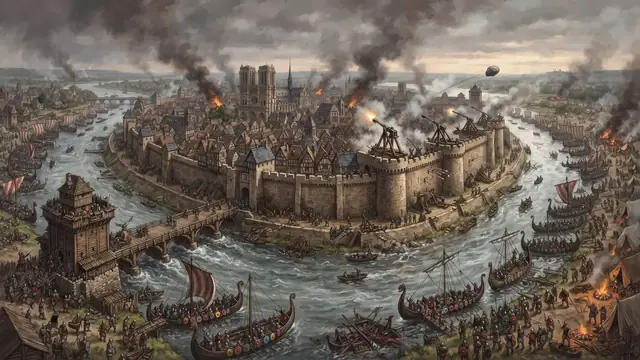
The siege of Paris, 885–886: when the Vikings tried to sail up the Seine and met a bridge
For about a year, a large Viking fleet besieged Paris. The city, on its island, held out, and the story was told by an eyewitness monk, Abbo of Saint-Germain.
Read →
 Saga or medieval source
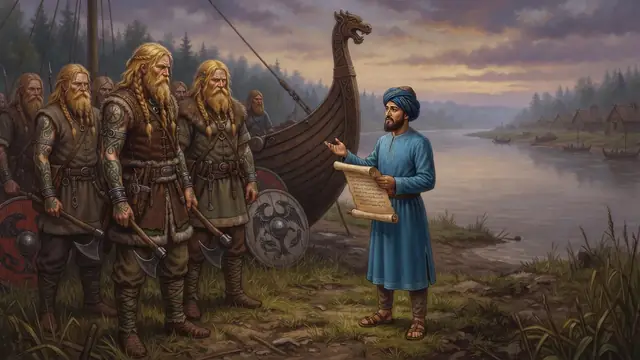
Ibn Fadlan and the Rus' of the Volga: the Baghdad diplomat who described the Vikings
In 921–922 an envoy of the caliph travelled to the Volga and met merchants whom most scholars consider Scandinavian. His account includes tattoos, rituals and a ship funeral.
Read →
 Documented history
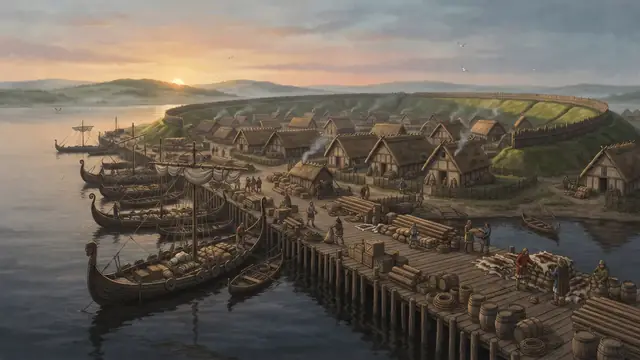
Hedeby: the Viking port where the world's merchants met
At the base of the Jutland peninsula, Hedeby was for over two centuries one of the largest trading centres of the North. Today its ruins are part of a UNESCO World Heritage Site.
Read →
 Documented history
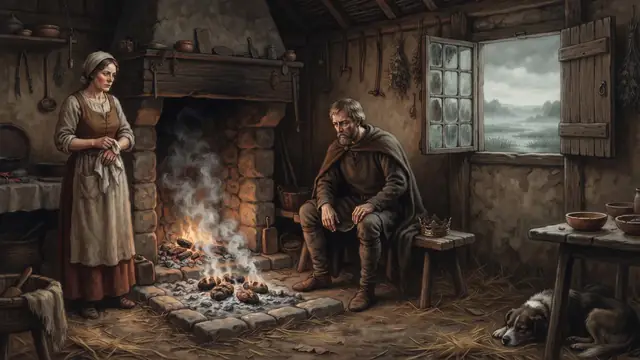
Alfred the Great, the king who lost everything and won at Edington — and the burnt cakes
In 878 the king of Wessex fled to the Somerset marshes, gathered an army and defeated the Vikings at Edington. The story of the burnt cakes is a late legend.
Read →
 Documented history
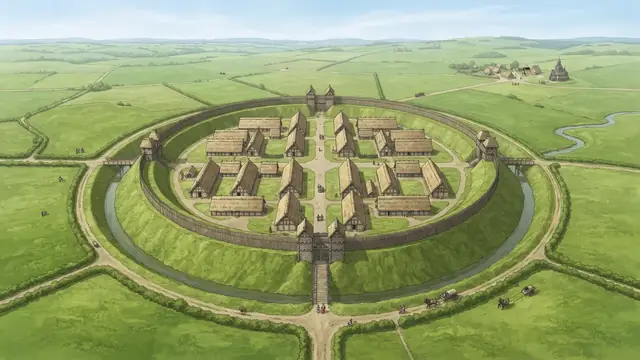
Trelleborg: the circular fortress the Vikings built with perfect geometry
A ring of earth and timber with four gates, sixteen longhouses and a cemetery of young men. The fortress of Trelleborg, in Denmark, was raised in 981 and used for only a few years.
Read →
 Documented history
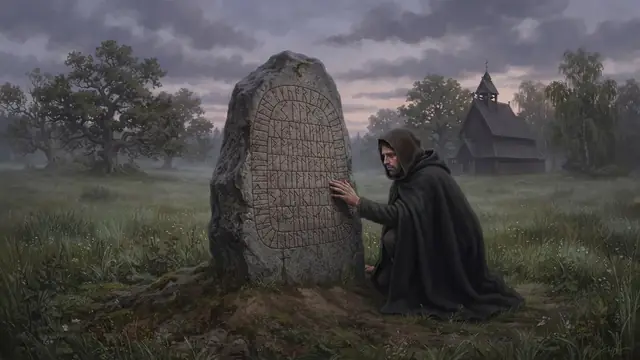
The Rök Stone: the longest runic inscription in the world and the secrets it still keeps
With 725 runes, the 9th-century Swedish stone is the longest known runic text. A father raised it for his dead son, and scholars still debate what else it says.
Read →
 Documented history
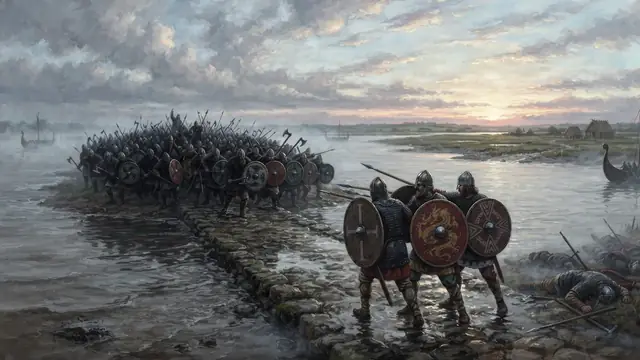
Maldon, 991: the battle that led the English to pay tribute to the Vikings
On a causeway flooded by the tide, three Englishmen held a Viking army. The English leader then let the enemy cross, lost the battle and England began to pay the Danegeld.
Read →
 Documented history
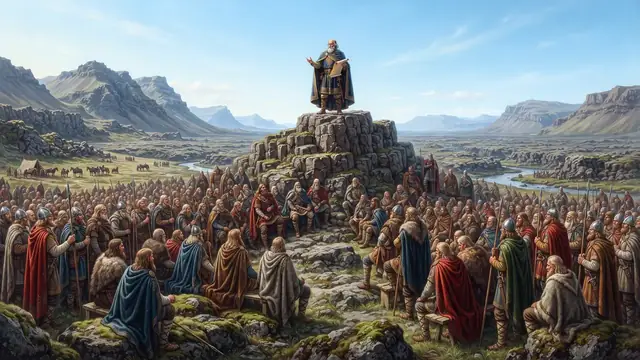
Althing, 930: the open-air parliament of Þingvellir and the man who recited the laws by heart
Around 930, Icelanders gathered in a lava valley to create an assembly without a king. The Althing is named the oldest legislature in the world and has survived, with interruptions, to this day.
Read →
 Documented history
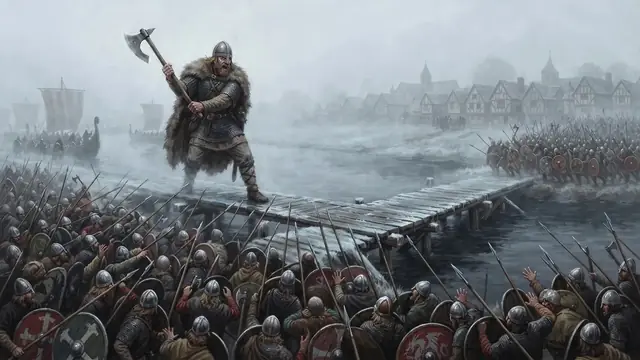
Stamford Bridge, 1066: the man who held the bridge and the battle tradition calls the end of the Viking Age
On 25 September 1066, King Harald Hardrada was killed by an arrow in England. Of some 300 Norwegian ships, only 24 went home, according to the Anglo-Saxon Chronicle.
Read →
 Documented history
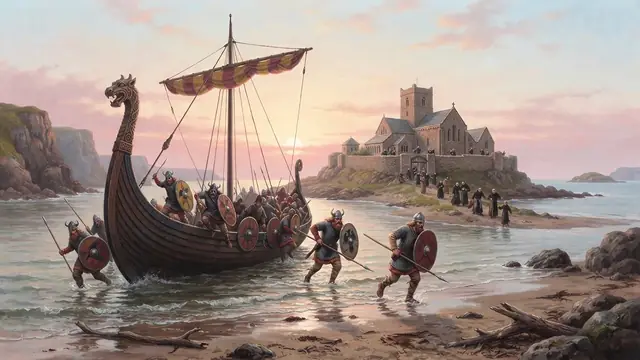
Lindisfarne, 793: the attack on the monastery that Europe remembers as the start of the Viking Age
On 8 June 793, men from the sea plundered the holy island of Lindisfarne. The chronicle speaks of omens, and a letter from Alcuin shows the shock the attack caused.
Read →
 Documented history
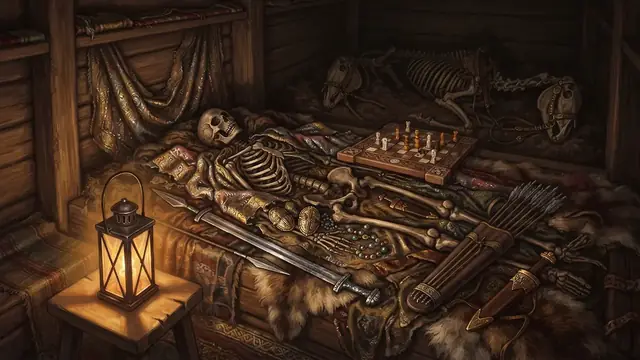
The Birka warrior: the grave excavated in 1878 and the debate DNA reopened in 2017
For over a century, grave Bj 581 was taken as that of a warrior chieftain. In 2017, DNA showed the skeleton was a woman's, and archaeologists are debating what that means.
Read →
 Documented history
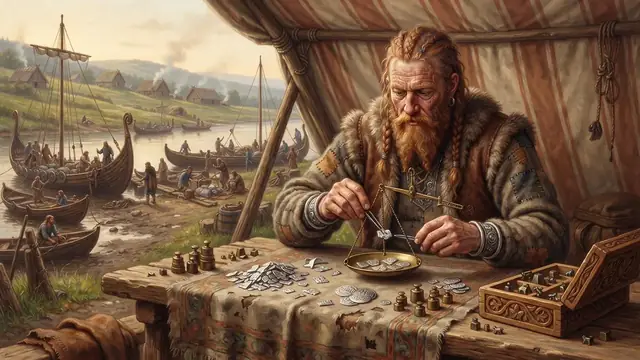
Caliphate silver, pocket scales: how Arab coins ended up in Viking hoards
Tens of thousands of Islamic coins, the dirhams, have been found in Scandinavia. They show a trade network linking the Baltic to the East, and a money that was weighed rather than counted.
Read →
 Saga or medieval source
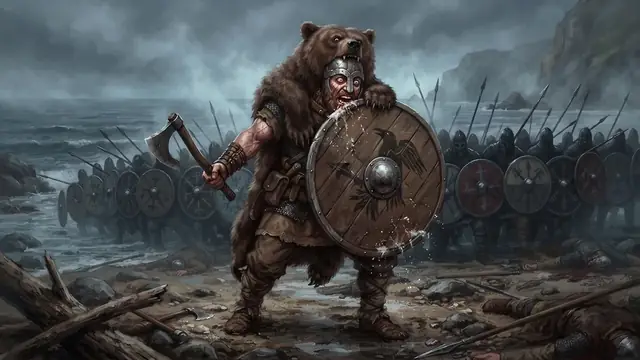
Berserkers: the bearskin warriors, the fury the sagas describe and the Icelandic law that banned it
Poems and sagas speak of warriors who fought in a trance, biting their shields. No early source mentions mushrooms, an idea that only appeared in 1784.
Read →
 Saga or medieval source
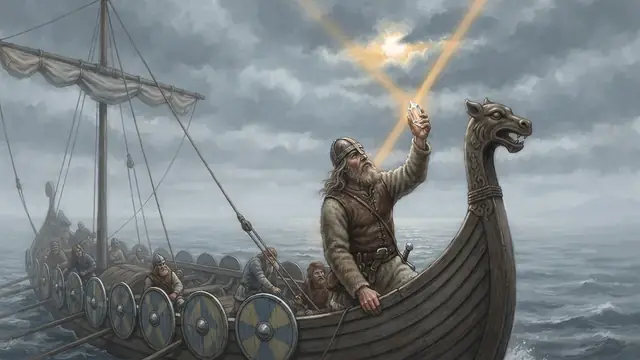
The sunstone: the crystal that may have helped the Vikings find the sun in a cloudy sky
An Icelandic saga mentions a stone that shows where the hidden sun is. Modern experiments show a crystal could work, but do not prove the Vikings used one.
Read →
 Documented history
The Jelling stone: what Harald Bluetooth had carved in runes
Around 965, King Harald had a stone carved at Jelling honoring his parents and telling that he united Denmark and made the Danes Christian.
Read →
 Documented history
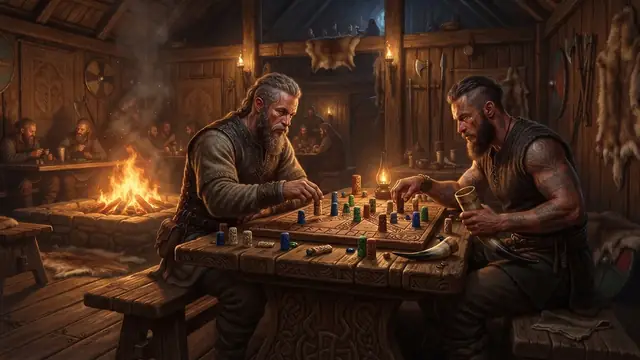
Hnefatafl: the board game the Vikings played and no one knows exactly how it went
Hnefatafl boards have been found from Gokstad to Scotland. The game was asymmetrical, with a besieged king, but its original rules were lost.
Read →
 Documented history
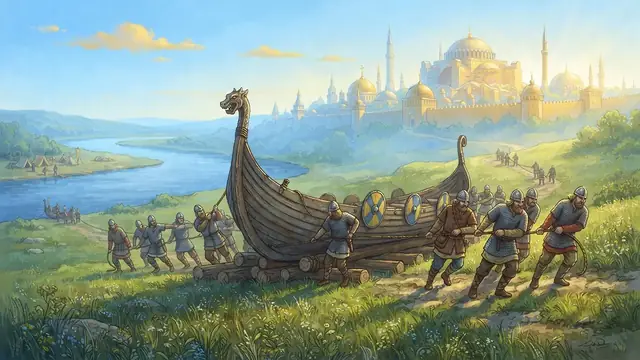
The Varangian Guard: the Vikings who protected the emperor of Constantinople
In the late 10th century, warriors from the North began serving as the personal guard of the Byzantine emperors. Some left runes on the stones of Hagia Sophia.
Read →
 Documented history
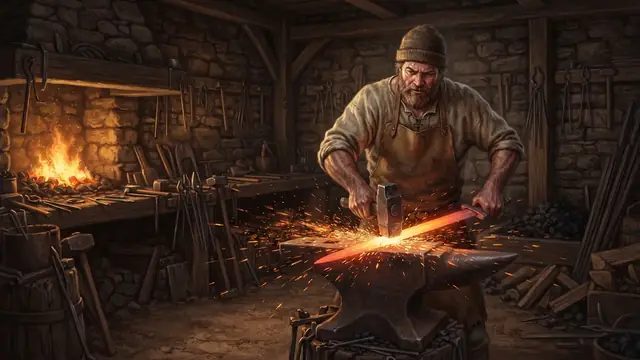
The Ulfberht swords: the name engraved on Viking blades and the steel mystery
About 170 medieval swords bear the name VLFBERHT. Studies point to rare-quality steel in some blades and signs of imitation in others.
Read →
 Documented history
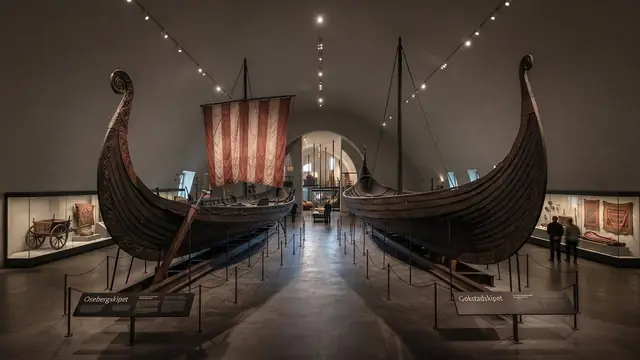
The Oseberg and Gokstad ships: two Viking boats buried with their dead
Found in graves in Norway in 1880 and 1904, the Gokstad and Oseberg ships are among the best-preserved Viking vessels in the world.
Read →
 Documented history
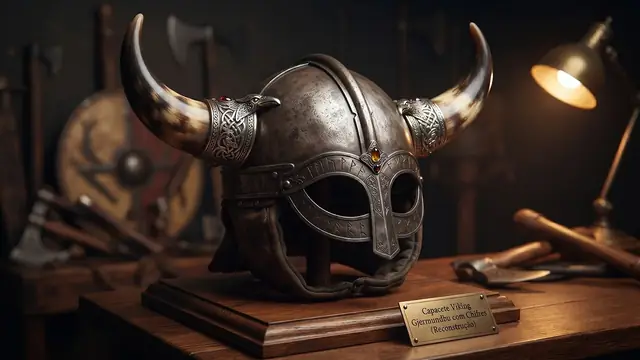
Did the Vikings wear horned helmets? What the Gjermundbu find shows
No Viking horned helmet has ever been found. The only nearly complete one, found in Norway in 1943, is iron and round. The horned image is a 19th-century invention.
Read →
Play this realm
Games tied to the stories here. Fullscreen, no sign-up.
New
Hnefatafl in miniature
Take the king to one of the board’s corners before the attackers surround him, in a small version of the Viking game.
Play ▶
New
Carve the runes
Carve five runes by connecting the dots, as if chiseling the Jelling stone.
Play ▶
The Ulfberht blade
Strike the hot iron at the right moment and forge a sword bearing the inscription VLFBERHT.
Play ▶
The Oseberg hull
Drop oak planks at the right moment and build a Viking ship hull, as in the Oseberg and Gokstad ships.
Play ▶
Digging at Gjermundbu
Clear the soil from a Viking grave and uncover the iron Gjermundbu helmet, with no horns.
Play ▶
New
Drag the ship
Pull the rope at the right rhythm to drag the ship overland and reach Constantinople before nightfall.
Play ▶
New
The sunstone
The sky is cloudy. Move the marker along the horizon and find the hidden sun at the point where the crystal's two lights shine equally.
Play ▶
New
Stamford Bridge
Hold Stamford Bridge with your axe and watch for the spear under the planks.
Play ▶
New
Berserker fury
Build up the fury just right to fell each enemy without burning out.
Play ▶
New
The grave goods
Find the pairs of objects from grave Bj 581 at Birka, the Viking woman warrior's tomb.
Play ▶
New
Row to Lindisfarne
Row in the right rhythm and take the Viking ship to the island of Lindisfarne.
Play ▶
New
The merchant's scales
Add pieces of cut silver until you hit the exact weight the buyer asks for.
Play ▶
New
Build Trelleborg
Line up the spinning cross with the plan cross to raise the houses of the circular fortress.
Play ▶
New
Decode the Rök Stone
Carve words by tapping the runes of the younger futhark, in the order of the letters.
Play ▶
New
The Lawspeaker
Recite the law in the right rhythm by tapping the words that fall onto the golden line.
Play ▶
New
The Maldon causeway
Defend the Maldon causeway, which is clear only at low tide, and stop the Viking invaders.
Play ▶
New
The port of Hedeby
Stack the cargo crates on the quay of Hedeby without letting them fall into the sea.
Play ▶
New
The catapult of Paris
Hurl stones at the Viking boats coming up the Seine before they pass the bridge.
Play ▶
New
Ibn Fadlan's account
Separate what is in Ibn Fadlan's account from what was invented later.
Play ▶
New
Alfred's cakes
Take the cakes off the fire at the right moment, without letting them burn, as in the legend of Alfred.
Play ▶
New
Runes in Hagia Sophia
Find the runes hidden in the marble before the guards arrive.
Play ▶
New
Ohthere's reindeer
Guide Ohthere's reindeer into the pen without frightening them.
Play ▶
New
Guests in the hall
Welcome the guests with what each one needs, as the Hávamál instructs.
Play ▶
New
The course of the Seine
Turn the pieces of the river and bring the water from the spring to the sea.
Play ▶
New
Cnut's waves
Spread your colour across the board, move by move, until it is covered.
Play ▶
New
The shield wall
Bounce the ball with Ivar's axe and knock down the shield wall.
Play ▶
New
Crossing the fjord
Cross the fjord by hopping from one ice floe to the next.
Play ▶
New
The tide at Clontarf
Sink the three ships fleeing down the estuary with the tide.
Play ▶
New
The layers of Jórvík
Dig a plot in Jórvík without breaking the fragile layers.
Play ▶
New
Rurik's oars
Row in rhythm, alternating sides, and steer clear of the river banks.
Play ▶
New
Kaupang's market
Arrange the goods without repeating any in a row.
Play ▶
New
The field of Brunanburh
Flip the opponent's pieces and win the field.
Play ▶
New
Carts at the Ribe market
Unblock the street full of carts and clear a way to the quay.
Play ▶
New
Runes on the stone
Carve the right squares of the stone following the clues of each row and column.
Play ▶
 New
The steps of the hill
Move the four discs from one post to another without putting a larger on a smaller.
Play ▶
Other realms
Myths & Gods
31 stories · Enter →
Sagas & Kings
29 stories · Enter →
Tales & Folklore
26 stories · Enter →
Get the next stories
New myths, sagas and tales arrive every week, always with the source and the difference between history and legend.
I want to subscribe